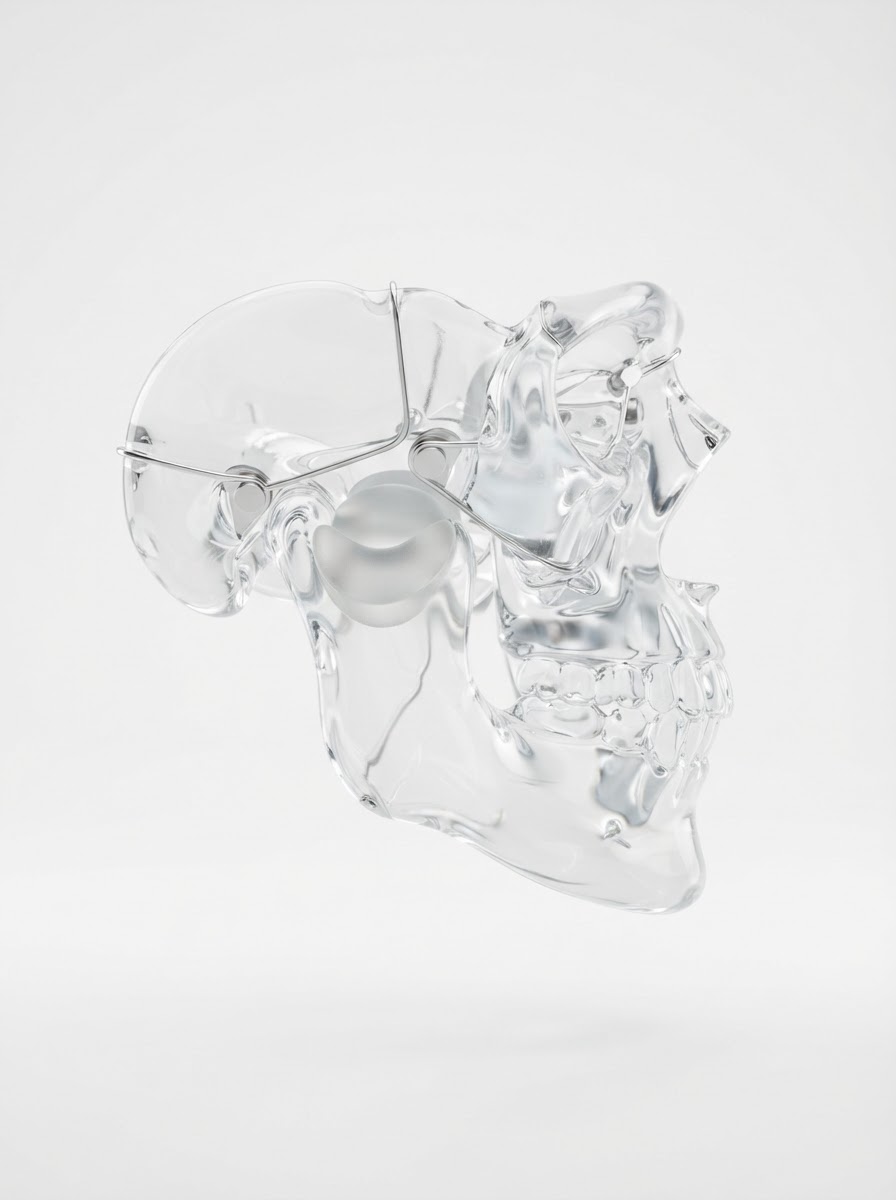
Understanding TMJ Disorders
Understand temporomandibular disorders through evidence-based education designed for patients. Learn about symptoms, causes, diagnosis, treatment options, jaw anatomy, and the latest research to help you make informed healthcare decisions.
Knowledge Hubs
Explore TMJ by Topic
Choose the area you'd like to learn more about.
The Problem
Over 10 million Americans suffer in silence.
Many cycle through specialists for years — temporary fixes, misdiagnoses, and quiet despair. The jaw that connects us to the world becomes a source of daily negotiation.
Cornerstone Content
Featured Guides
Start with our most comprehensive guides to understanding temporomandibular disorders (TMD).
TMJ Authority Overview
Understanding TMJ Disorder (TMD)
An independent educational resource for understanding temporomandibular disorders, jaw pain, facial pain, orofacial pain, and conservative treatment options for jaw dysfunction.
TMJ Disorders
Conditions affecting the temporomandibular joint and the muscles that control jaw movement.
Jaw Pain
Discomfort in the jaw joint, muscles, or surrounding tissues.
Clicking and Popping
Sounds from the jaw joint during movement.
Jaw Locking
Limited ability to open or close the mouth fully.
Facial Pain
Discomfort in the face, cheeks, or temples.
Headaches
Head pain that may be connected to jaw tension.
Ear Pressure
A feeling of fullness, pressure, or discomfort in or around the ears.
Neck Tension
Tightness and discomfort in the neck and shoulders.
Bruxism
Clenching or grinding of the teeth, often during sleep.
Bite Changes
Alterations in how the teeth fit together.
Sleep-Related Jaw Strain
Jaw tension or soreness connected to sleep patterns.
Understanding TMJ Disorder (TMD)
What Is TMJ Disorder (TMD)?
The temporomandibular joint (TMJ) is one of the most complex joints in the human body. Understanding how it works — and what happens when it doesn't — is the foundation of understanding temporomandibular disorders (TMD) and finding relief from jaw dysfunction.
The Temporomandibular Joints
The temporomandibular joints are the two joints that connect your lower jaw (mandible) to your skull. Unlike most joints in the body, which are simple hinges, the TMJs are dual-action joints — they hinge and glide. This complex movement allows you to speak, chew, yawn, and express emotion. Each joint sits just in front of the ear, and because they work together as a paired unit, what affects one side often affects the other.
Muscles of Chewing
Several powerful muscles control jaw movement: the masseter (which clenches the jaw), the temporalis (which runs along the side of the head), and the medial and lateral pterygoid muscles (which control side-to-side and forward movement). When these muscles are overworked — through clenching, grinding, or sustained tension — they can become tender, fatigued, and painful. Muscle-related TMJ pain is more common than joint-related pain.
Discs and Joint Movement
Between the jawbone and the skull sits a small fibrocartilaginous disc that acts as a cushion, allowing smooth, frictionless movement. This disc moves with the jaw as it opens and closes. If the disc is displaced or moves abnormally, it can produce clicking or popping sounds, and in some cases, the jaw may temporarily lock. Disc displacement does not always require treatment, but it is important to understand when it contributes to pain or limited function.
Inflammation
Inflammation in the TMJ can result from injury, overuse, arthritis, or sustained muscle tension. When the joint is inflamed, it may feel warm, swollen, or tender to the touch, and jaw movement may be painful. Inflammation is the body's natural response to stress or injury, and in many cases it resolves with rest and conservative care. Persistent inflammation, however, may require professional evaluation.
Muscle Tension
Sustained muscle tension is one of the most common contributors to TMJ discomfort. Unlike the muscles in your arms or legs, the jaw muscles can remain partially contracted even when you are not actively chewing — a state called "resting muscle tone." When this tone is elevated due to stress, clenching, or habit, the muscles never fully relax, leading to fatigue, tenderness, and pain that can radiate to the head, face, and neck.
Parafunction
Parafunction refers to non-functional jaw activities — things the jaw does that are not related to eating or speaking. This includes clenching, grinding, lip biting, nail biting, and holding objects between the teeth. These activities place sustained or excessive load on the jaw muscles and joints and are among the most common contributors to TMJ symptoms. Becoming aware of parafunctional habits is often an important step in managing TMJ discomfort.
Bite Instability
The way your teeth fit together (your occlusion) can influence how your jaw muscles and joints function. While bite irregularities alone are rarely the sole cause of TMJ disorders, significant changes in the bite or the way teeth meet can contribute to muscle imbalance or joint strain. Bite-related factors should be considered as part of a comprehensive evaluation, but they are one piece of a larger picture.
Why TMJ Symptoms Can Feel Confusing
Because the TMJ is so close to the ears, sinuses, teeth, and facial muscles, TMJ-related pain can feel like it is coming from many different places. Jaw pain may feel like a headache; ear pressure may feel like an ear infection; facial pain may feel like a sinus issue. This is one reason TMJ symptoms are often misunderstood or misdiagnosed. Understanding the interconnected nature of the jaw, muscles, and surrounding structures helps explain why symptoms can appear in surprising places.
Continue Learning
Explore the Complete Guide to TMJ Disorders
Dive deeper into the anatomy, mechanics, and conditions of the temporomandibular joint — joint structure, muscles of mastication, disc function, inflammation, and why TMJ symptoms can feel confusing.
Read the Complete GuideCommon Symptoms
Common Symptoms of TMJ Disorder (TMD)
Explore common symptoms of temporomandibular disorders, including jaw pain, clicking, locking, headaches, ear symptoms, and orofacial pain. Each entry explains what the symptom may feel like, why it may happen, when to seek professional evaluation, and answers to common related questions.
What It May Feel Like
A dull ache, tenderness, or sharp pain in the jaw joint or surrounding muscles. It may be constant or intermittent and often worsens with chewing, talking, or wide opening.
Why It May Happen
Jaw pain can originate from muscle tension, joint inflammation, disc displacement, or a combination of these. Overworked chewing muscles, sustained clenching, or joint irritation are common contributors.
When to Seek Professional Evaluation
Seek evaluation if pain persists beyond a few days, is severe, or is accompanied by swelling, limited opening, or joint sounds with pain. Sudden severe pain warrants prompt attention.
Common Related Questions
Many people wonder if jaw pain will resolve on its own. In some cases, conservative self-care — soft diet, gentle stretches, warm compresses — can help. If pain persists or recurs, a qualified provider can help identify the underlying cause.
What It May Feel Like
Audible clicks, pops, or grating sounds from the jaw joint during opening or closing. These may or may not be accompanied by pain.
Why It May Happen
These sounds often occur when the articular disc moves in and out of position during jaw movement. Clicking without pain or limited function is common and often does not require treatment.
When to Seek Professional Evaluation
Seek evaluation if clicking is accompanied by pain, jaw locking, limited opening, or if the sounds are new and associated with other symptoms. Painless clicking alone is often not a concern.
Common Related Questions
Many people ask if jaw clicking will get worse over time. There is no single answer — some people experience clicking for years without progression, while others may develop pain or locking. Monitoring changes and discussing them with a provider is the best approach.
What It May Feel Like
A sensation that the jaw is stuck or cannot open or close fully. You may need to manipulate your jaw to get it to move normally.
Why It May Happen
Locking often occurs when the articular disc is displaced and temporarily blocks jaw movement. A "closed lock" limits opening; an "open lock" prevents closing.
When to Seek Professional Evaluation
Seek prompt evaluation if locking occurs, especially if it is new, persistent, or painful. Sudden inability to close the mouth may require urgent attention.
Common Related Questions
A common question is whether jaw locking will resolve on its own. In some cases, it may improve with conservative care. However, recurrent or persistent locking should be evaluated by a qualified provider to determine the best approach.
What It May Feel Like
Waking with jaw stiffness, soreness, or tiredness in the jaw muscles. This often improves as the day goes on.
Why It May Happen
Morning soreness is frequently associated with nighttime clenching or grinding (sleep bruxism). During sleep, the jaw muscles may remain active, leading to fatigue and discomfort by morning.
When to Seek Professional Evaluation
If morning soreness is frequent, persistent, or accompanied by headaches or tooth wear, discuss it with a dental or medical provider who can evaluate for bruxism and related conditions.
Common Related Questions
Many people ask if a nightguard would help. An oral appliance may reduce the effects of nighttime grinding, but the right type depends on individual needs. A qualified provider can help determine what is appropriate.
What It May Feel Like
Tension-type headaches, often in the temples, forehead, or the back of the head. These may be worse in the morning or after periods of stress.
Why It May Happen
The muscles that control the jaw are connected to the temples and base of the skull. When these muscles are overworked from clenching or grinding, they can produce pain that feels like a headache. TMJ-related headaches are often tension-type.
When to Seek Professional Evaluation
Seek evaluation for headaches that are frequent, severe, changing in character, or accompanied by other symptoms such as vision changes, numbness, or fever. These may require medical evaluation beyond TMJ assessment.
Common Related Questions
Many people ask if TMJ can really cause headaches. The answer is yes — the jaw muscles and their connections to the head can refer pain in ways that feel like primary headaches. However, not all headaches are TMJ-related, so a thorough evaluation is important.
What It May Feel Like
Aching, tightness, or tenderness in the cheeks, temples, or sides of the face. It may be on one or both sides and can vary in intensity.
Why It May Happen
Facial pain is often related to tension in the chewing muscles, particularly the masseter and temporalis. These muscles extend across the face and into the temples, so their tension can produce pain that feels like it is coming from the face itself.
When to Seek Professional Evaluation
Seek evaluation if facial pain is persistent, one-sided and severe, or accompanied by swelling, rash, or neurological symptoms. Facial pain can have many causes beyond TMJ, and a provider can help determine the source.
Common Related Questions
A common question is whether facial pain from TMJ will go away. With appropriate care — which may include muscle relaxation, stress reduction, and addressing contributing habits — many people experience significant improvement.
What It May Feel Like
A feeling of fullness, pressure, ringing (tinnitus), or mild discomfort in or around the ear, without signs of infection.
Why It May Happen
Because the TMJ sits directly in front of the ear canal, joint inflammation or muscle tension can produce sensations that mimic ear problems. The muscles and ligaments near the joint are closely connected to structures around the ear.
When to Seek Professional Evaluation
Ear symptoms should always be evaluated by a healthcare provider to rule out primary ear conditions. If ear symptoms are related to TMJ, addressing the jaw may help, but this should be determined by a qualified professional.
Common Related Questions
Many people ask if TMJ can cause ringing in the ears. There is some evidence of an association between TMJ disorders and tinnitus, though the relationship is not fully understood. Evaluation by both a medical and dental professional may be helpful.
What It May Feel Like
Tightness, stiffness, or aching in the neck, upper back, or shoulders, often accompanied by jaw discomfort.
Why It May Happen
The jaw muscles are part of a connected network that includes the neck and shoulders. When jaw muscles are overactive, surrounding muscles may compensate, leading to tension. Poor posture, especially forward head posture, can also contribute to both jaw and neck strain.
When to Seek Professional Evaluation
Neck tension that persists, worsens, or is accompanied by numbness, tingling, or weakness in the arms should be evaluated medically. When neck and jaw tension occur together, addressing both may produce better outcomes.
Common Related Questions
A common question is whether posture affects TMJ. Yes — forward head posture, common with extended phone and computer use, can increase strain on jaw and neck muscles. Postural awareness and exercises may be beneficial.
What It May Feel Like
Flattened, chipped, or worn teeth, often noticed by a dentist during a routine exam. You may also notice increased tooth sensitivity.
Why It May Happen
Tooth wear, particularly flattening of the biting surfaces, is a common sign of bruxism (grinding). Over time, grinding can wear down enamel, expose dentin, and contribute to tooth sensitivity and changes in the bite.
When to Seek Professional Evaluation
If you notice tooth wear, chipping, or increased sensitivity, discuss it with your dentist. They can evaluate the extent of wear, assess for bruxism, and recommend appropriate management, which may include an oral appliance.
Common Related Questions
Many people ask if a nightguard can prevent tooth wear. A properly fitted appliance can help protect teeth from the effects of grinding. However, it is also important to address underlying factors such as stress and sleep quality.
What It May Feel Like
Awareness of clenching during the day, or being told by a sleep partner that you grind your teeth at night. You may wake with jaw fatigue or soreness.
Why It May Happen
Clenching and grinding (bruxism) can be related to stress, anxiety, sleep disorders, or habit. Daytime clenching is often stress-related, while sleep bruxism may be connected to sleep arousals and airway factors.
When to Seek Professional Evaluation
If clenching or grinding is causing jaw pain, headaches, tooth wear, or sleep disruption, discuss it with a qualified provider. They can help determine contributing factors and recommend appropriate management strategies.
Common Related Questions
A common question is whether stress really causes teeth grinding. Stress is a significant factor, particularly for daytime clenching. However, sleep bruxism is more complex and may involve sleep architecture and airway factors. A comprehensive approach often produces the best outcomes.
What It May Feel Like
Poor sleep quality, frequent waking, or waking feeling unrefreshed, possibly with jaw soreness or morning headaches.
Why It May Happen
Sleep disruption and TMJ symptoms can be interconnected. Nighttime clenching and grinding can fragment sleep. Additionally, sleep-disordered breathing, including snoring and sleep apnea, may contribute to both jaw strain and poor sleep quality.
When to Seek Professional Evaluation
If you experience chronic sleep disruption, loud snoring, gasping during sleep, or excessive daytime sleepiness, discuss these with a medical provider. Sleep-disordered breathing requires proper diagnosis and management.
Common Related Questions
Many people ask if improving sleep can help TMJ. Because sleep and jaw health are connected — through bruxism, muscle recovery, and airway factors — improving sleep quality may contribute to symptom improvement. A comprehensive evaluation can help identify relevant factors.
Continue Learning
Explore the Complete Guide to TMJ Symptoms
Learn more about every TMJ symptom — jaw pain, clicking and popping, jaw locking, morning jaw soreness, headaches, facial pain, ear symptoms, neck and shoulder tension, tooth wear, and sleep disruption.
Read the Complete GuideCommon Causes
What Causes Temporomandibular Disorders (TMD)?
Temporomandibular disorders rarely have a single cause. More often, jaw dysfunction results from a combination of factors — muscular, joint-related, behavioral, and systemic. Understanding what may be contributing to jaw pain and TMJ symptoms is key to finding the right approach.
Clenching and Grinding
Sustained or forceful jaw muscle activity, often during sleep.
Stress-Related Muscle Activity
Emotional stress increasing jaw muscle tension.
Trauma
Injury to the jaw from impact, dental procedures, or prolonged opening.
Arthritis
Degenerative or inflammatory joint conditions affecting the TMJ.
Joint Inflammation
Inflammation within the temporomandibular joint.
Bite Changes
Alterations in how the teeth meet, affecting jaw function.
Sleep-Disordered Breathing
Airway-related factors that may influence jaw muscle activity.
Posture and Airway Strain
Head, neck, and tongue posture affecting jaw position.
Orthodontic or Dental History
Past dental or orthodontic treatment that may influence jaw function.
Habits
Everyday habits that strain the jaw.
Continue Learning
Understand What Causes TMJ Disorders
Go deeper into the factors that contribute to TMJ symptoms — from clenching and grinding to stress, trauma, arthritis, sleep-disordered breathing, and parafunctional habits.
Read the Complete GuideRisk Factors
What Increases the Risk of TMJ Disorder (TMD)?
Certain factors can increase the likelihood of developing a temporomandibular disorder. Understanding your risk profile can help you and your healthcare provider take a proactive approach to jaw health and orofacial pain management.
Female Sex
Women are diagnosed with temporomandibular disorders at higher rates than men.
Age (20–40 Years)
TMJ disorders are most commonly diagnosed in adults aged 20 to 40.
Chronic Stress and Anxiety
Sustained stress increases jaw muscle tension and clenching.
Bruxism (Teeth Grinding)
Habitual clenching or grinding places excessive load on the jaw.
Poor Posture
Forward head posture increases strain on jaw and neck muscles.
Sleep Disorders
Sleep-disordered breathing may increase jaw muscle activity.
Previous Jaw Trauma
Prior injury to the jaw increases the risk of TMD.
Arthritis Conditions
Osteoarthritis and inflammatory arthritis can affect the TMJ.
TMJ and Sleep
The Connection Between Jaw Health and Sleep
Jaw symptoms and sleep are closely linked. Understanding this relationship can help identify contributing factors and guide more effective, comprehensive care.
Sleep Quality and Jaw Health
The relationship between sleep and TMJ symptoms runs in both directions. Poor sleep can increase pain sensitivity and muscle tension, while jaw symptoms — particularly nighttime clenching and grinding — can fragment sleep and reduce sleep quality. Improving sleep may help reduce TMJ symptoms, and addressing TMJ symptoms may improve sleep.
Bruxism During Sleep
Sleep bruxism is a common condition in which a person grinds or clenches their teeth during sleep. It is distinct from awake clenching and is believed to be related to sleep arousals — brief interruptions in the sleep cycle. Sleep bruxism can cause morning jaw soreness, headaches, and tooth wear. A qualified provider can help evaluate and manage it.
Airway Considerations
There is growing evidence that some sleep bruxism may be linked to the body's effort to maintain an open airway during sleep. When the airway narrows or partially closes, the jaw muscles may activate to reposition the jaw and tongue, reopening the airway. This connection does not mean that all bruxism is airway-related, but it is an important consideration.
Snoring and Sleep Apnea
Snoring and obstructive sleep apnea (OSA) are conditions in which the airway becomes partially or fully blocked during sleep. People with OSA may experience repeated episodes of reduced breathing, leading to fragmented sleep. Some studies suggest an association between sleep apnea and TMJ symptoms. If you snore loudly, gasp during sleep, or feel excessively sleepy during the day, discuss this with a medical provider.
Oral Appliance Considerations
Oral appliances — including nightguards and mandibular advancement devices — are used for different purposes. A nightguard or stabilization splint protects teeth and may reduce jaw muscle activity. A mandibular advancement device (MAD) is designed to reposition the jaw forward to help maintain an open airway in people with mild to moderate sleep apnea. These devices are not interchangeable, and the right choice depends on individual needs and diagnosis.
Morning Headaches and Jaw Soreness
Waking with a headache or jaw soreness can be a sign that jaw muscle activity is occurring during sleep. These symptoms may improve as the day progresses. If morning symptoms are frequent, it is worth discussing with a provider who can evaluate for bruxism, sleep quality, and related factors.
Important note: This information is educational and does not constitute a diagnosis. If you suspect you may have a sleep disorder, including sleep apnea, evaluation by a qualified medical professional is essential. Sleep apnea is a serious medical condition that requires proper diagnosis and management.
Continue Learning
Explore the TMJ and Sleep Connection
Discover the full relationship between TMJ symptoms and sleep — bruxism, airway issues, snoring, sleep apnea, oral appliance considerations, morning headaches, and jaw soreness after sleep.
Read the Complete GuideDiagnosis
Diagnosing TMJ Disorder (TMD)
A thorough evaluation by a qualified clinician is the foundation of effective care for temporomandibular disorders. Here is what the diagnostic process may involve, from physical examination to imaging.
Symptom History
A qualified clinician will begin by listening to your symptoms — when they started, what makes them better or worse, whether they come and go, and how they affect daily life. This history is often the most important part of the evaluation.
Jaw Movement
The clinician will assess how far you can open your mouth, whether movement is symmetric, and whether there are limitations or deviations during opening and closing. This helps identify whether the limitation is muscular, joint-related, or both.
Joint Sounds
Clicking, popping, or crepitus (grating) during jaw movement may be evaluated. The timing and character of sounds can provide information about what is happening inside the joint, though sounds alone do not always indicate a problem.
Muscle Tenderness
The clinician may palpate (feel) the jaw muscles, temples, and neck to identify areas of tenderness or tension. This helps determine whether muscle pain is a primary contributor and which muscles are most affected.
Bite Relationship
How the teeth meet when the jaw is closed may be assessed. While bite irregularities alone are rarely the sole cause of TMJ disorders, the clinician will consider whether bite changes or instability are contributing factors.
Tooth Wear
Signs of grinding or clenching — such as flattened, chipped, or worn teeth — may be evaluated. Tooth wear patterns can provide information about the duration and severity of bruxism.
Headache Patterns
The clinician may ask about headache frequency, location, intensity, and timing. This helps determine whether headaches may be related to jaw muscle tension or whether they require separate medical evaluation.
Sleep History
Questions about sleep quality, snoring, daytime sleepiness, and nighttime clenching or grinding can help identify sleep-related factors that may be contributing to TMJ symptoms. If sleep-disordered breathing is suspected, a referral for sleep evaluation may be recommended.
Imaging When Appropriate
In many cases, TMJ disorders can be evaluated without imaging. However, if the clinician suspects joint damage, arthritis, or other structural issues, imaging such as MRI (to assess the disc and soft tissues) or CBCT (to assess bone and joint structure) may be recommended.
Referral When Red Flags Exist
A qualified provider will be alert for signs that symptoms may not be related to TMJ — such as neurological symptoms, signs of infection, or systemic disease. If red flags are present, they will recommend appropriate referral to a medical specialist for further evaluation.
Continue Learning
Learn More About Symptom Patterns and Evaluation
Understand how symptoms are evaluated — what a qualified clinician reviews, when imaging is appropriate, and what red flags may prompt a referral.
Read the Complete GuideInteractive Learning
Explore the Jaw
Understand the anatomy behind TMJ Disorder through interactive learning.
Hover or tap any structure to learn more
Explore the temporomandibular joint, muscles, nerves, and bones that make up your jaw.
Learn More
Explore Anatomical Topics
Jaw Muscles
The four muscles of mastication that control jaw movement.
Learn MoreJoint Anatomy
The structure and mechanics of the temporomandibular joint.
Learn MoreNerves
The trigeminal nerve and its role in jaw sensation and pain.
Learn MoreCartilage
The articular disc and fibrocartilage that cushion the joint.
Learn MoreBones
The mandible, maxilla, and temporal bone that form the jaw.
Learn MoreJaw Movement
How the jaw hinges, glides, and deviates during function.
Learn MoreDisease Progression
From Healthy Joint to Treatment
Understanding how TMJ disorders progress — and where treatment intervenes.
Healthy Joint
The TMJ functions normally with smooth, pain-free movement. The articular disc sits in proper position, cushioning the joint during jaw movement. Muscles work in balance without excessive tension.
Treatment Options
TMJ Disorder Treatment Options
No two cases of temporomandibular disorder are identical. No two treatments should be either. Explore conservative and advanced treatment options for jaw pain and TMJ symptoms, and use this information to have better conversations with a qualified provider.
Conservative Home Care
Self-care strategies that can be started at home to reduce jaw strain and discomfort.
Physical Therapy
Targeted exercises and manual techniques to improve jaw and neck function.
Oral Appliances and Splints
Custom-fitted devices that protect teeth and may reduce jaw muscle activity.
Bite Stabilization
Approaches to address bite instability when it is a contributing factor.
Stress Reduction
Techniques to manage stress and reduce its impact on jaw muscle tension.
Medication Discussions
Medications that a clinician may recommend for temporary symptom relief.
Trigger Point Care
Techniques to address localized areas of muscle tension.
Sleep Evaluation
Assessment and management of sleep-related factors.
Advanced Referrals
Specialist referrals when conservative care has not been sufficient.
Continue Learning
Explore the Complete Guide to TMJ Treatment
Dive deeper into every treatment option — conservative home care, physical therapy, oral appliances, bite stabilization, stress reduction, medication discussions, trigger point care, and sleep evaluation.
Read the Complete GuideInteractive Learning
Interactive Tools for Understanding TMJ Disorder
We are developing a suite of interactive tools to help you better understand your symptoms, explore jaw anatomy, and prepare for conversations with your healthcare provider.
TMJ Symptom Checker
Coming SoonAn interactive questionnaire to help you identify whether your symptoms may be related to a temporomandibular disorder.
Interactive Jaw Anatomy Explorer
Coming SoonA 3D tool to visually navigate the temporomandibular joint, muscles of mastication, and surrounding structures.
Jaw Pain Assessment
Coming SoonA guided self-assessment to evaluate jaw pain patterns, severity, and potential contributing factors.
Treatment Comparison Tool
Coming SoonCompare conservative and advanced treatment options for TMJ disorder side by side to support informed conversations with your provider.
Printable Symptom Tracker
Coming SoonA downloadable tracker to log jaw pain, symptoms, triggers, and patterns between appointments for more productive provider visits.
Relief.
What We Are Not
What TMJ Authority Is Not
Transparency builds trust. Here is what this resource is — and what it is not.
Not a Replacement for Diagnosis
TMJ Authority is an educational resource, not a diagnostic service. The information provided here is intended to help you understand TMJ disorders and related conditions so you can have more informed conversations with a qualified healthcare provider. Only a qualified clinician can diagnose TMJ disorders and recommend appropriate treatment.
Not Emergency Medical Advice
Nothing on this site constitutes emergency medical advice. If you experience sudden severe jaw pain, inability to open or close your mouth, trauma to the face, or symptoms that concern you, seek care from a qualified healthcare provider or emergency services. Do not delay seeking professional care based on information read here.
Not a Universal Cure
There is no single treatment that works for everyone with TMJ symptoms. What helps one person may not help another. The information on this site is intended to help you understand the range of options available, not to recommend a specific treatment. Your care should be personalized based on a thorough evaluation by a qualified provider.
Designed to Help You Prepare
Our purpose is to help patients understand their options, recognize patterns, and prepare for better conversations with qualified providers. We believe that informed patients — those who understand their symptoms, have realistic expectations, and can communicate effectively with their care team — are more likely to find meaningful relief.
Continue Learning
Have More Questions?
Explore our extensive FAQ section with answers to the most common questions about TMJ disorders — symptoms, causes, treatment, sleep, oral appliances, and when to seek professional evaluation.
Read the Complete GuideFind Care
Connect with specialists who understand.
Board-certified TMJ specialists. Nationwide. Ready when you are.
Frequently Asked Questions
Common Questions About TMJ Disorder (TMD)
Answers to the questions patients ask most. This information is educational and does not replace a conversation with a qualified healthcare provider.
Continue Learning
Ready to Go Deeper?
Explore our complete FAQ with answers to the most common questions about TMJ disorders — symptoms, causes, treatment, sleep, oral appliances, and when to seek professional evaluation.
Read the Complete GuideLatest TMJ Insights
Symptom questions, answered.
Browse all insightsLatest Updates
Recently Updated
Our most recently reviewed and updated educational content on TMJ disorder (TMD).
Latest Research
Current Research in TMJ Disorder (TMD)
Stay informed about evolving research in temporomandibular disorders, jaw dysfunction, and orofacial pain. These summaries are for educational purposes and do not constitute medical advice.
Bruxism and Sleep-Disordered Breathing
Growing evidence suggests that some sleep bruxism may be linked to the body's effort to maintain airway patency during sleep. Studies continue to explore the relationship between obstructive sleep apnea and increased jaw muscle activity.
Key takeaway: If you grind your teeth at night and experience daytime sleepiness or loud snoring, discuss sleep evaluation with a medical provider.
Conservative Care as First-Line Treatment
Current clinical guidelines favor conservative, reversible treatments for TMJ disorder — including self-care, physical therapy, and oral appliances — before considering invasive interventions. Most patients improve with non-surgical approaches.
Key takeaway: Surgery is rarely needed for TMD. Conservative management is effective for the majority of patients.
Botox for TMJ Muscle Pain
Botulinum toxin injections are being studied for their potential to reduce jaw muscle hyperactivity in patients with bruxism and myofascial pain. Research is ongoing, and results vary between individuals.
Key takeaway: Botox may be an option for select patients who have not responded to conservative care. Discuss risks and benefits with a qualified provider.
The Role of Posture in Jaw Dysfunction
Studies highlight the connection between forward head posture, cervical spine alignment, and temporomandibular disorder. Addressing posture as part of a comprehensive approach may improve outcomes for some patients.
Key takeaway: Postural awareness and cervical spine health may be an important component of TMD management.
Continue Learning
Explore the Full TMJ Authority Library
Dive deeper into every aspect of temporomandibular disorder (TMD) — from symptoms and causes to diagnosis, treatment, and the latest research on jaw dysfunction and orofacial pain.
Evidence & References
Explore the Evidence
A curated overview of the professional organizations, clinical guidelines, and research that inform our educational content.
Professional Organizations
- American Academy of Orofacial Pain (AAOP)Clinical guidelines and educational resources on temporomandibular disorders and orofacial pain.
- American Dental Association (ADA)Patient and professional resources on oral health including TMJ disorders.
- International Association for Dental Research (IADR)Peer-reviewed research on temporomandibular joint biology and pathology.
Government Health Resources
- National Institute of Dental and Craniofacial Research (NIDCR)Research and patient information on TMJ disorders and craniofacial conditions.
- MedlinePlus — National Library of MedicineConsumer health information on temporomandibular joint disorders.
- National Institute of Neurological Disorders and Stroke (NINDS)Information on chronic pain conditions including facial pain.
Clinical Practice Guidelines
- DC/TMD Diagnostic CriteriaDiagnostic Criteria for Temporomandibular Disorders — the current international standard for TMD assessment.
- AAOP Guidelines for Management of TMDEvidence-based recommendations for the conservative management of temporomandibular disorders.
Research Reviews
- Cochrane Systematic Reviews on TMD InterventionsIndependent systematic reviews evaluating the effectiveness of TMD treatments.
- Peer-reviewed studies on bruxism and sleep-disordered breathingGrowing body of research on the association between sleep bruxism, airway function, and TMJ symptoms.